Commercial Roof Repairs
Stop Roof Leaks Before They Cost You More
Stop Roof Leaks Before They Cost You More
Your commercial roof plays a critical role in protecting everything underneath it — yet it’s often out of sight and out of mind. When you’re managing daily operations, roof maintenance can easily fall to the bottom of the priority list. Unfortunately, ignoring small roofing issues can lead to expensive repairs and serious property damage.
For business owners and property managers throughout Florida, staying ahead of roof problems is essential. The state’s intense sun, heavy rain, high humidity, and seasonal storms put constant stress on commercial roofing systems. Even a minor leak can quickly turn into interior water damage, mold growth, insulation problems, or structural deterioration.
Routine inspections and timely repairs help prevent these issues before they disrupt your operations. A properly maintained roof protects your employees, customers, equipment, and inventory — and reduces the risk of emergency repair costs.
In this guide, we’ll walk you through the most common commercial roofing problems, warning signs to watch for, and the steps you can take to protect your building.
Florida’s climate can be unforgiving on commercial roofing systems. Constant sun exposure, high humidity, severe rainstorms, and seasonal hurricanes all contribute to ongoing wear and tear. Because of these conditions, roofing problems can develop quickly if inspections and maintenance are neglected. Recognizing early warning signs is key to preventing expensive repairs and operational disruptions.
One of the most serious threats to any commercial roof is water penetration. Florida’s intense and fast-moving storms can overwhelm vulnerable areas of a roof in a short amount of time. Small cracks, aging materials, and separated seams allow moisture to enter the building envelope. If left untreated, water intrusion can damage ceilings, walls, insulation, and even structural components.
Commercial roofs frequently endure foot traffic from service technicians working on HVAC units and other rooftop equipment. Tools, materials, or storm-driven debris can tear or puncture the roofing membrane. While the damage may appear minor at first, even a small opening can expand and lead to leaks over time.
Flashing is designed to seal roof transitions and protect vulnerable joints around vents, skylights, and mechanical units. When flashing deteriorates, shifts, or is improperly installed, these connection points become susceptible to water entry. Flashing problems are often overlooked but are a leading cause of concealed leaks.
Florida’s high temperatures can cause air or moisture trapped beneath the roofing material to expand. This can create raised areas or bubbles on the surface. Over time, these blisters may split open, weakening the roof’s protective layer and increasing the risk of water damage.
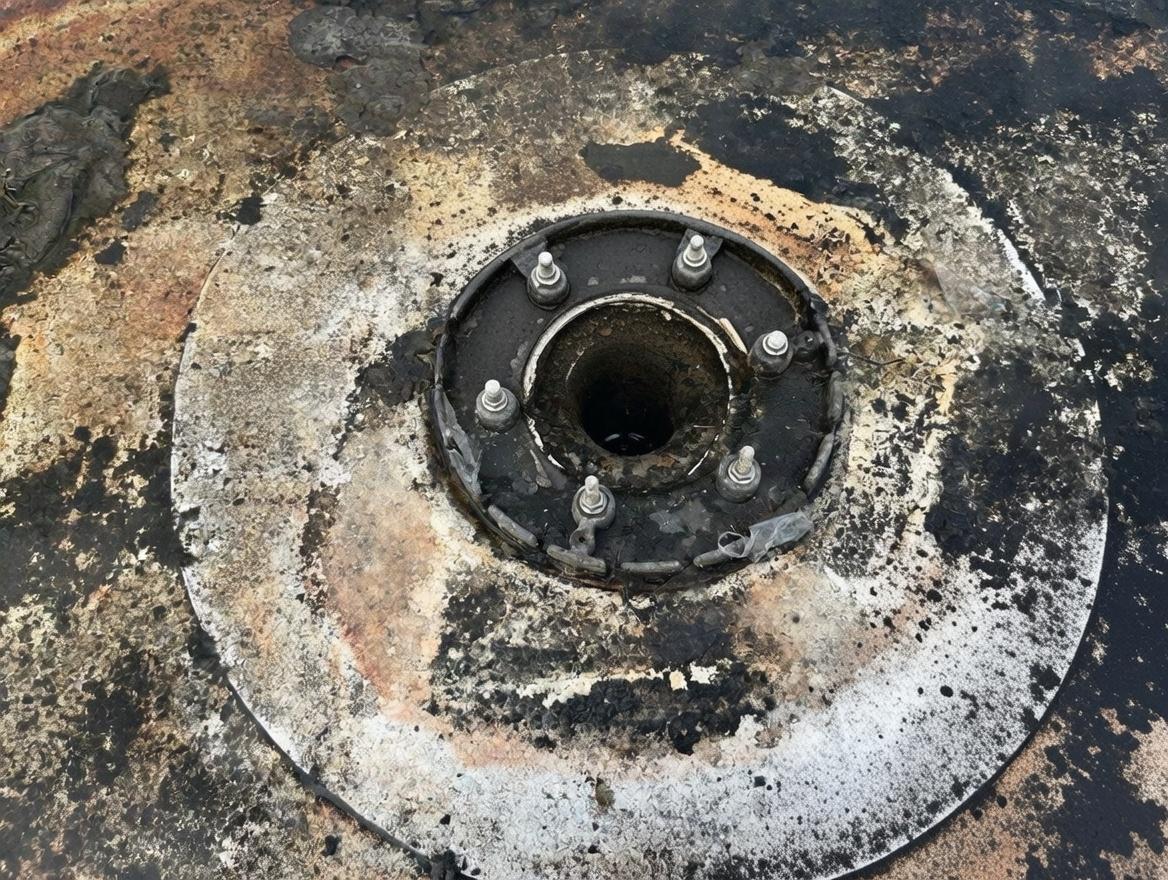
Flat and low-slope commercial roofs rely on proper drainage systems to remove rainwater efficiently. When drains become clogged with debris such as leaves, dirt, or trash, water can accumulate and form puddles. Persistent standing water adds excess weight and accelerates roof deterioration, making routine cleaning and inspections essential.
After resolving any existing roofing concerns, the next step is making sure they don’t return. In Florida’s climate, prevention is everything. Consistent upkeep can significantly reduce the risk of repeat problems and extend the life of your commercial roofing system.
Regular roof evaluations are the foundation of preventative maintenance. Scheduling inspections allows you to detect early signs of wear, weather damage, or developing weak spots before they escalate into major issues.
Think of it as preventative healthcare for your building — identifying small concerns early can help you avoid disruptive and expensive repairs later. For most commercial properties in Florida, inspections twice per year are recommended, along with additional checks after major storms. This proactive approach helps you stay ahead of potential damage.
Keeping your roof clean plays a bigger role than many property owners realize. Dirt, algae, leaves, and debris can trap moisture and block drainage systems, creating the perfect conditions for leaks and deterioration.
A simple maintenance routine — clearing drains and gutters, removing debris, and gently cleaning buildup with appropriate solutions — can go a long way in preserving your roofing materials. Staying consistent with basic upkeep helps prevent unnecessary strain on the system and supports long-term performance.
If an inspection reveals damage, it’s important to act quickly. Small issues rarely resolve on their own — and in Florida’s heavy rain and humidity, minor problems can worsen fast.
Consulting a qualified commercial roofing professional at the first sign of trouble can prevent water intrusion, structural damage, and costly interior repairs. Swift action protects both your building and your bottom line.